Home → Lena's Journal
Rocky Mountaineer: GoldLeaf vs SilverLeaf and How to Plan the Trip
By Lena Nielson
·
7 min read
An Australian travel designer's honest take on the Rocky Mountaineer: routes, GoldLeaf vs SilverLeaf, the Kamloops overnight and how to plan your trip.
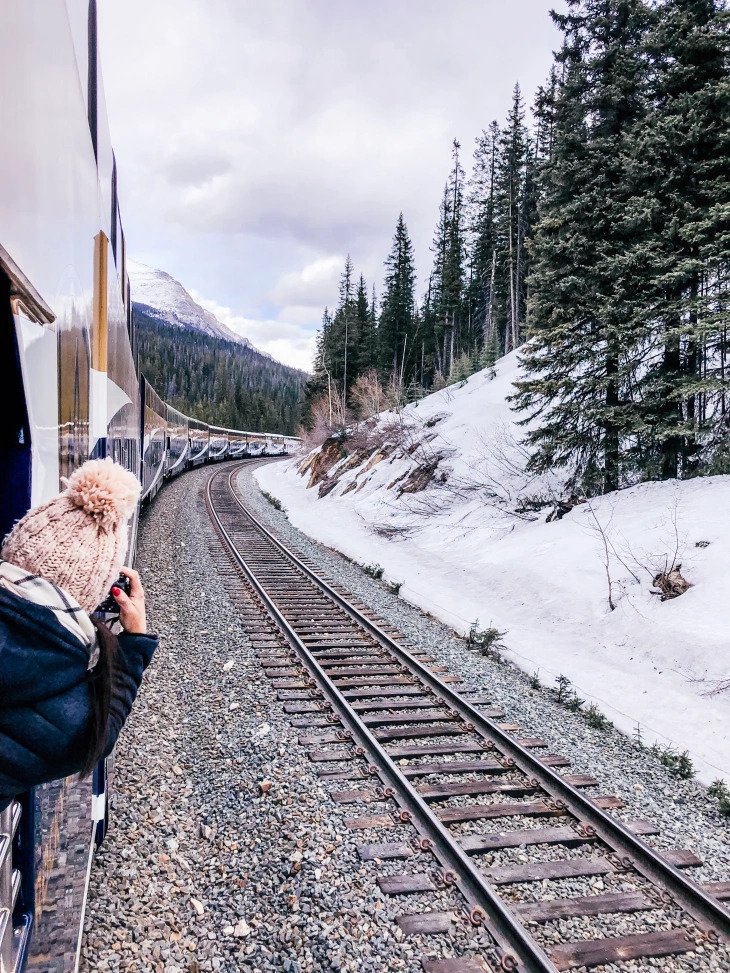
The Canadian Rockies were already on my favourites list before I ever boarded the Rocky Mountaineer. I had travelled through the region years earlier on a youth tour, so when the chance came up through work to do the trip by train, I didn't need to think about it for long.
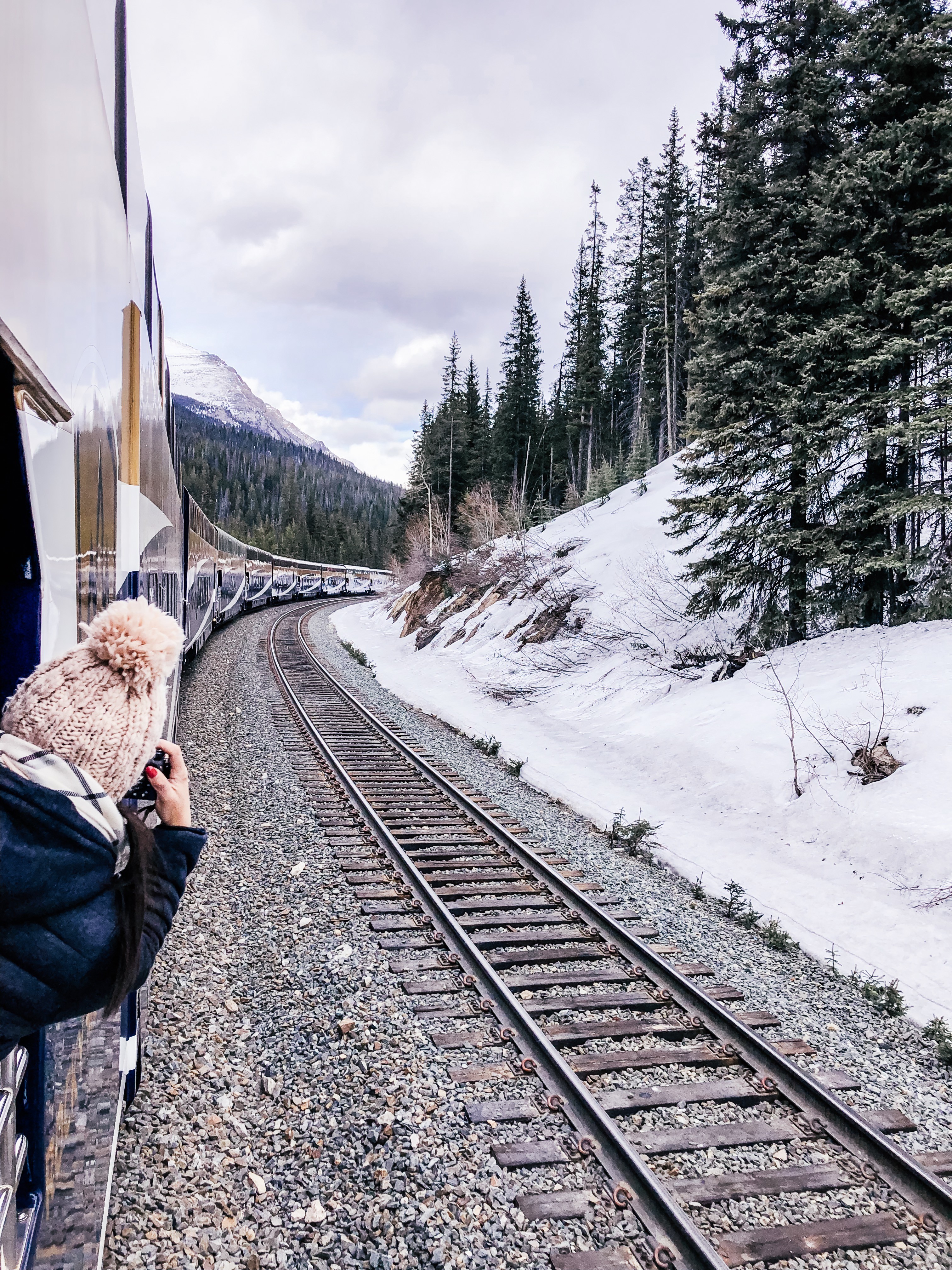
What made my journey especially useful, both then and now when I'm helping clients decide, is that I travelled one day in SilverLeaf and one day in GoldLeaf on the same route. So this is part trip report, part practical guide, with the routes and details updated for anyone planning a 2027 journey.
What the Rocky Mountaineer actually is
Rocky Mountaineer is a daylight-only scenic train. You don't sleep on board. Each journey runs over two or three days, and every night is spent in a hotel along the way, which means you see every kilometre of the scenery rather than passing through it in the dark.

The days are long. On my trip we spent up to 13 hours on board, and that's not unusual. The train shares its tracks with freight services, so it regularly pulls onto a side track to let a freight train pass. That can mean a two-minute wait or, as we had on day one, a 30-minute one. Build that into your expectations and you'll enjoy the day far more.
Rocky Mountaineer routes in Canada
Rocky Mountaineer currently runs these routes in Western Canada, each in both directions:
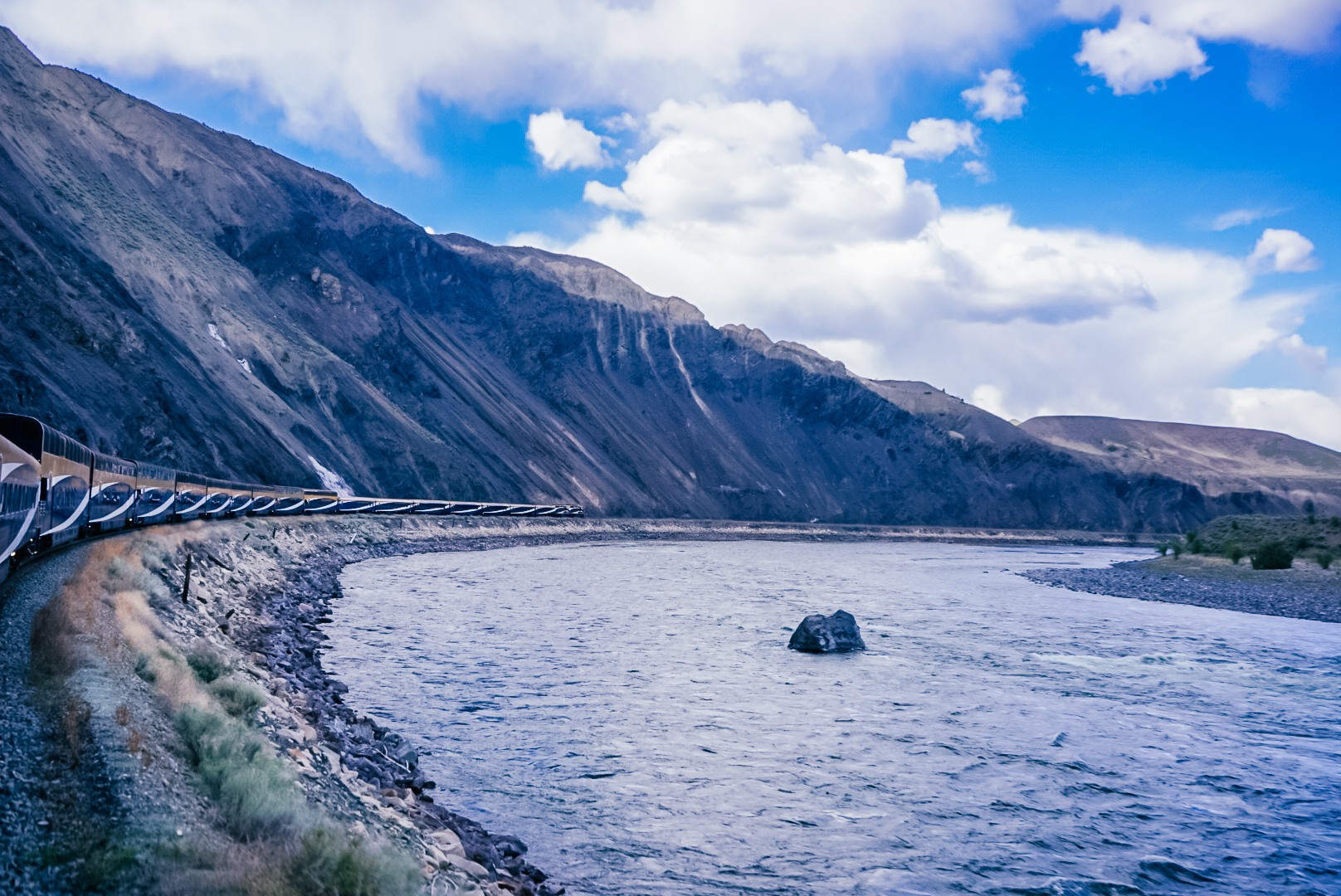
First Passage to the West: Vancouver to Banff or Lake Louise over two days, overnighting in Kamloops. This is the original route, the most popular, and the one I travelled. It's still my favourite, because you go from the city to the mountain towns. East of Kamloops it follows the historic Canadian Pacific line through the mountains, the railway that first linked Western Canada with the east in 1885.
Journey through the Clouds: Vancouver to Jasper over two days, also overnighting in Kamloops, then heading north past Mount Robson, the highest peak in the Canadian Rockies.
Rainforest to Gold Rush: North Vancouver to Jasper over three days via Whistler and Quesnel. Rocky Mountaineer has said 2026 is likely to be this route's final season, because the rail line it uses is set to be abandoned by its owner, and it isn't included in the 2027 packages currently on sale. If it was on your wish list, check with us before assuming it's available.
The season generally runs from mid-April to mid-October. Spring and autumn departures can bring snow on the peaks (I travelled in late April and had snow falling past the window, which I loved), while summer brings longer, warmer days and the busiest departures.

What about the US route?
Rocky Mountaineer's American route, Rockies to the Red Rocks, now operates under its own brand, Canyon Spirit. It's run by the same parent company and travels between Denver and Moab via Glenwood Springs, and from 2026 it extends to Salt Lake City over three days. It's a very different landscape of red rock canyons and desert, and a great option if you've already done Canada or are combining the train with a US national parks trip.
SilverLeaf vs GoldLeaf: my honest comparison
There are two levels of service on the Canadian routes. I started in SilverLeaf on day one and moved to GoldLeaf for day two.

SilverLeaf
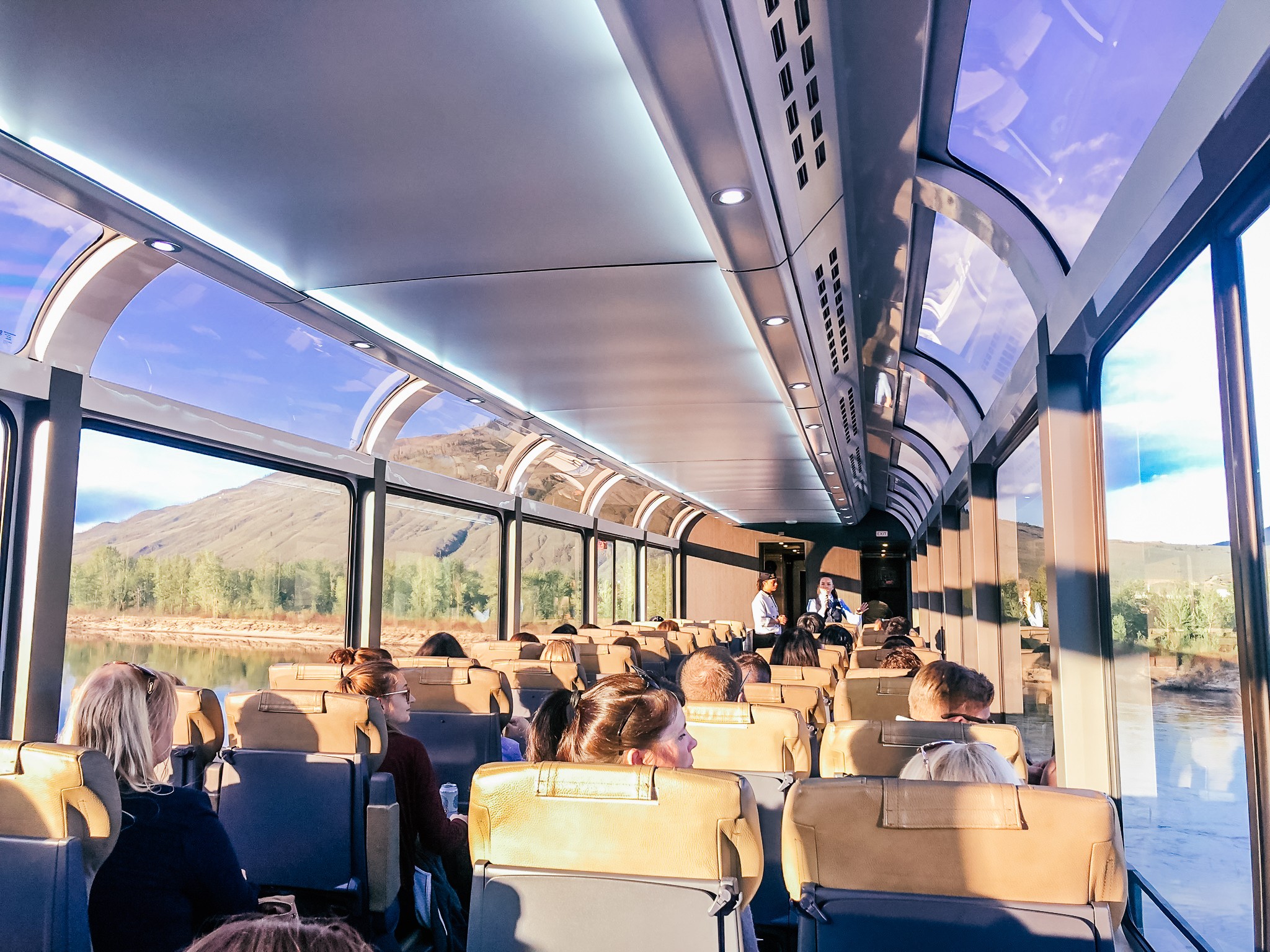
SilverLeaf is the more affordable option, and it went well beyond what I expected. You sit in a single-level coach with large glass-dome windows, reclining seats and footrests, and hosts who share stories about the landscape and its history as you go. Breakfast and lunch are served at your seat, along with plenty of snacks and complimentary alcoholic and non-alcoholic drinks.
The food reminded me of a good business class meal: dishes prepared in advance and finished on board, like slow-cooked beef short ribs or a local salmon dish, but still fresh and tasty.
The biggest drawback for me was the freight stops. Because SilverLeaf sits at the same height as the passing trains, if you're on the wrong side you may spend half an hour watching freight carriages rush past your window. In GoldLeaf you're seated on the upper level, so you look out over the top.
GoldLeaf
GoldLeaf is the experience most people picture when they think of the Rocky Mountaineer. The bi-level coach puts you upstairs under a full glass dome with heated reclining seats, and there's a large outdoor viewing platform downstairs. That platform is where I spent a lot of time with my camera, breathing in the mountain air and watching for bears.
The real highlight for me was the food. The lower level of each GoldLeaf coach has a proper dining room with table service, and meals are cooked on board, so the kitchen can accommodate requests. (Our server didn't even blink when I asked for my eggs cooked so hard I could bounce them off the plate.) I had eggs benedict at breakfast and Alberta pork tenderloin at lunch, chosen from a menu with plenty of options and a strong focus on local produce.
Dining is split into two sittings. When I travelled, those on the second sitting were treated to extra scones and fruit in the morning, or a cheese and wine tasting before lunch. I was never hungry. In fact I was constantly full and still couldn't say no to freshly baked oatmeal cookies dunked in a hot chocolate with Baileys while snow fell outside.
Which one should you choose?
If you're a food lover, GoldLeaf is the one. The dining and drinks service truly makes the trip, and the upper-level views and outdoor platform are a real step up.
But my biggest takeaway was how good SilverLeaf is. I actually found the SilverLeaf seats slightly more comfortable. They have a footrest that drops down from the seat in front, while the GoldLeaf seats have a raised leg section that, for a shorty like me, didn't sit quite as well. If budget matters and you'd rather spend the difference on an extra night in Banff, SilverLeaf is a very good trip in its own right.
The Kamloops overnight
On First Passage to the West and Journey through the Clouds, the first night is in Kamloops. Rocky Mountaineer arranges the hotel and transfers your luggage separately, so you only need a small overnight bag on board.
Go in with realistic expectations. The Kamloops hotels are comfortable rather than luxurious, and the stop is really just a place to sleep between two big days. We arrived late after several freight passes and an unscheduled stop to let an unwell passenger off, and by the time we'd had a quick dinner and a walk through town, it was only five or six hours until we were up again.
Make the most of Vancouver and Banff
My trip was a six-night package on First Passage to the West, with pre-nights in Vancouver and a post-night in Calgary. With hindsight, I'd recommend giving yourself more time at both ends. The train is the centrepiece, but the places either side are just as good.
Vancouver (three to four nights): Enough time for the Capilano Suspension Bridge, a wander through Gastown and a long lunch at Granville Island Public Market.
Banff (two to four nights): Banff is my favourite Canadian town. Allow time to drive part of the Icefields Parkway, take the Banff Gondola for the views over town, and head to the Fairmont Chateau Lake Louise for afternoon tea by the lake.
Both stations are central: the Rocky Mountaineer station in Vancouver is a purpose-built terminal near downtown, and hotel transfers on the morning of departure are typically very early. Our bags were collected from the room at 6am, with the coach leaving at 6.45am.
In Vancouver I stayed at the Fairmont Pacific Rim, and in Banff at the Fairmont Banff Springs.
I'd do this trip again in a heartbeat, and next time I'd choose a longer itinerary with more time in the mountains. Even with 13-hour days, the rail journey was over far too quickly.
Planning your Rocky Mountaineer holiday
I've sent many clients on the Rocky Mountaineer since, and they've loved it. It pairs especially well with a cruise or a self-drive trip.

The train is usually booked as part of a package that includes hotels, transfers and touring, and there are plenty of ways to shape it: an Alaska cruise before or after, a self-drive through the Rockies, Vancouver Island, or extra nights in Jasper or Lake Louise. Popular departures and GoldLeaf seats book out early, so it pays to plan well ahead.
If you'd like help choosing the right route and service level, or building the train into a wider Canada or USA trip, the team at Prestige Travel & Events would love to help you put it together.
Rocky Mountaineer FAQs
Do you sleep on the Rocky Mountaineer?
No. The train only travels in daylight, and every night is spent in a hotel, such as Kamloops on the two-day routes.
Is GoldLeaf worth it over SilverLeaf?
GoldLeaf is worth it if dining, upper-level dome views and the outdoor platform matter to you. SilverLeaf still offers glass-dome windows, seat-side meals and complimentary drinks, and is excellent value.
When does the Rocky Mountaineer run?
The Canadian season generally runs from mid-April to mid-October, with departures in both directions.
Which Rocky Mountaineer route is best for first-timers?
First Passage to the West, between Vancouver and Banff or Lake Louise, is the original and most popular route and connects easily with time in Banff and Lake Louise.
Begin with a conversation
Ready to embark on your
next journey?
Tell us what you have in mind: a date, a destination or simply a feeling. We'll take care of everything else, from the first idea to your safe return home.

Keep reading


